Deep Learning
This course takes you from AI fundamentals to building and applying intelligent Deep Learning solutions for real-world applications.

Taught in person at Jubilee Hills, Hyderabad. How to reach us
The curriculum
10 Modules · Teaching Weeks 1-16
- Introduction to Artificial Intelligence-AI
- Introduction to Machine Learning-ML
- Introduction to Deep Learning-DL
- Perceptron and Multilayer Perceptron-MLP
- Artificial Neural Networks
- Shallow and Deep Neural Networks
- Supervised Learning and Unsupervised Learning
- Training and Inference
- Applications
- Introduction to Reinforcement Learning-RL
- Fundamentals of Python Programming Language
- Functions and User Defined Functions
- Libraries for Data Science and Deep Learning
- Available Programs and Licenses
- Advantages of LLMs for Python Programming
- Graphical User Interface
- Technical Computing
- Python and OpenCV
- Digital Image Processing
- Types of Images
- Conversion
- Digital Image Filters
- Camera and Specifications
- Computer Vision
- Object Location Identification
- Convolutional Neural Networks
- Feature Extraction using Kernels
- Important Layers in Deep Learning for Classification
- FC Layer in DL Architecture
- Serialization and Activation Functions
- FC Layer Inputs and Outputs
- Training and Inference
- Parameters and Hyperparameters
- Hyperparameter Tuning
- Deep Learning for Regression
- Comparison between Classification and Regression
- Converting Classification Architecture to Regression and vice versa
- Available Datasets
- Open Sourced and Licenses
- Preprocessing, Training and Inference
- DL for Own Datasets
- When to choose ML and DL
- How much data do we need in DL
- Preprocessing Data and Accuracy Dependency
- Studying and Understanding Popular DL Architectures
- Comparison and Applications
- Transfer Learning and why & when to use it
- Dataset size, Training and Accuracy considerations
- Advantages of Transfer Learning
- Comparison between CPU, GPU, TPU and NPU
- Supported AI Operations by Edge AI Devices
- Dataset size and the CNN Architecture
- Training and Importance of Optimization
- Model Conversion and Deployment
- Transfer Learning Implementation for Edge AI Devices
- Memory Limitation of Edge AI Devices
- AI Accelerators and Neural Processing Unit-NPU
- Necessity of NPU Accelerators for Real Time Applications
- Supervised Learning with ML
- Dataset size requirement for DL and ML
- Requirement of Domain Knowledge for ML
- Training Algorithms and Comparison
- Inference with Trained Models
- Advantages of ML over DL
- Collecting Real Data from Sensors
- Preprocessing and Preparing the Dataset
- Training and Inference using Real Data
- Importance of Mathematical Models
- Importance of Simulation
- Collecting Data from Simulation
- Training and Inference using Simulation Data
- Synthetic Data Availability
- Training and Inference using Synthetic Data
- Present Applications of DL in Medical
- Future Applications of DL in Medical
- Present Applications of DL in Autonomous Systems
- Future Applications of DL in Autonomous Systems
- Minor Project: Design, Development, and Implementation
- Major Project: Real-time AI Application
The six-month course finishes with sixteen weeks of teaching and a minor and a major project. A six-month Employment Training Programme of real-time project work is available after that as an add-on, on merit basis.
Additional skills training
Along with the technical curriculum, every learner gets dedicated training in professional and career skills.
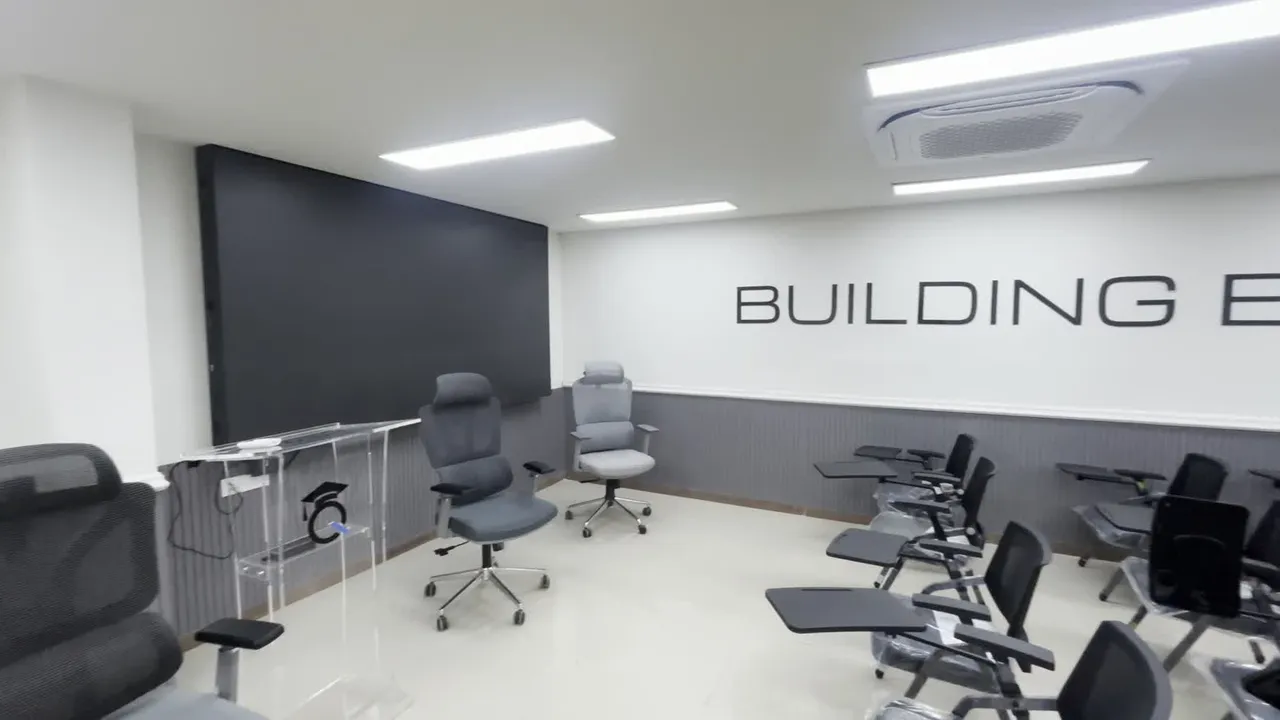
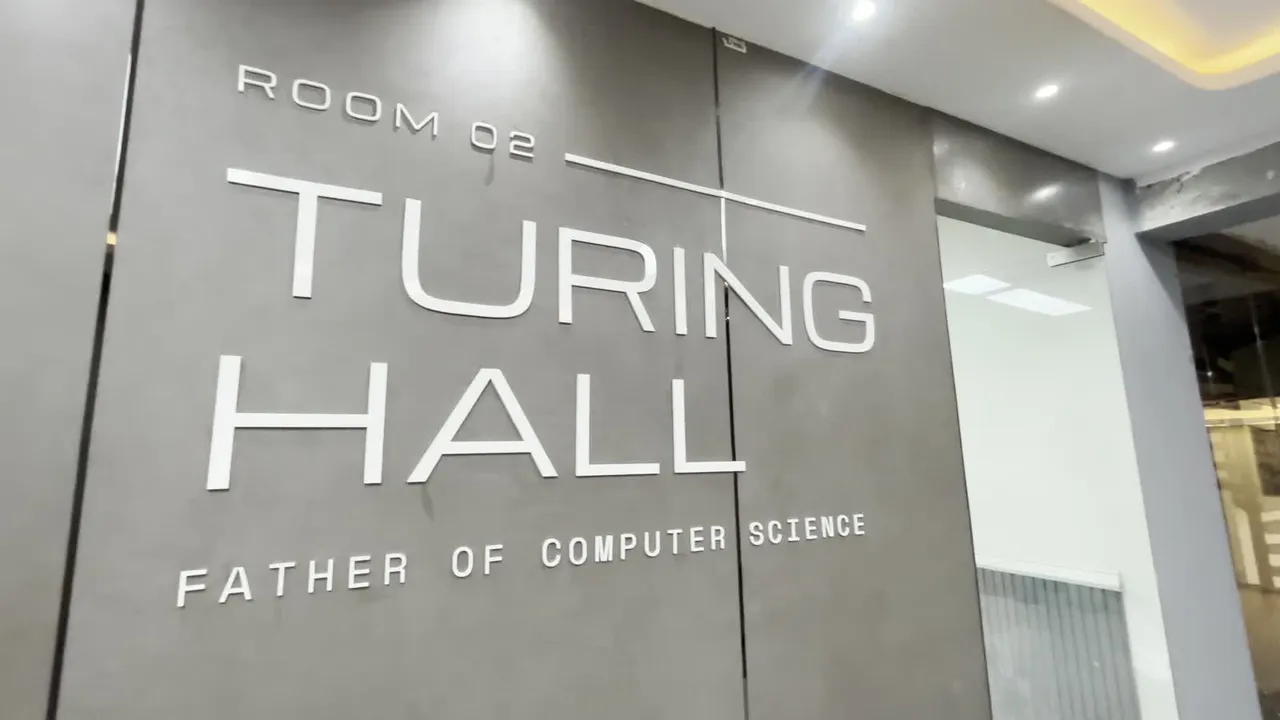
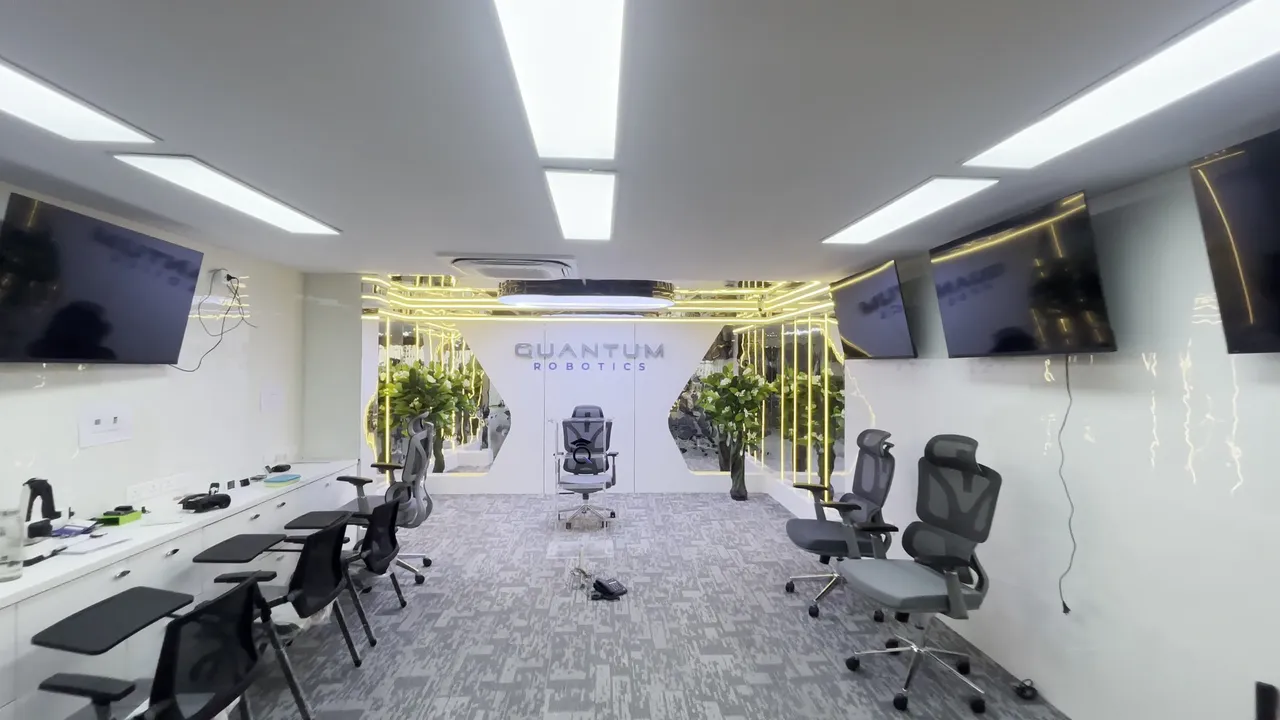
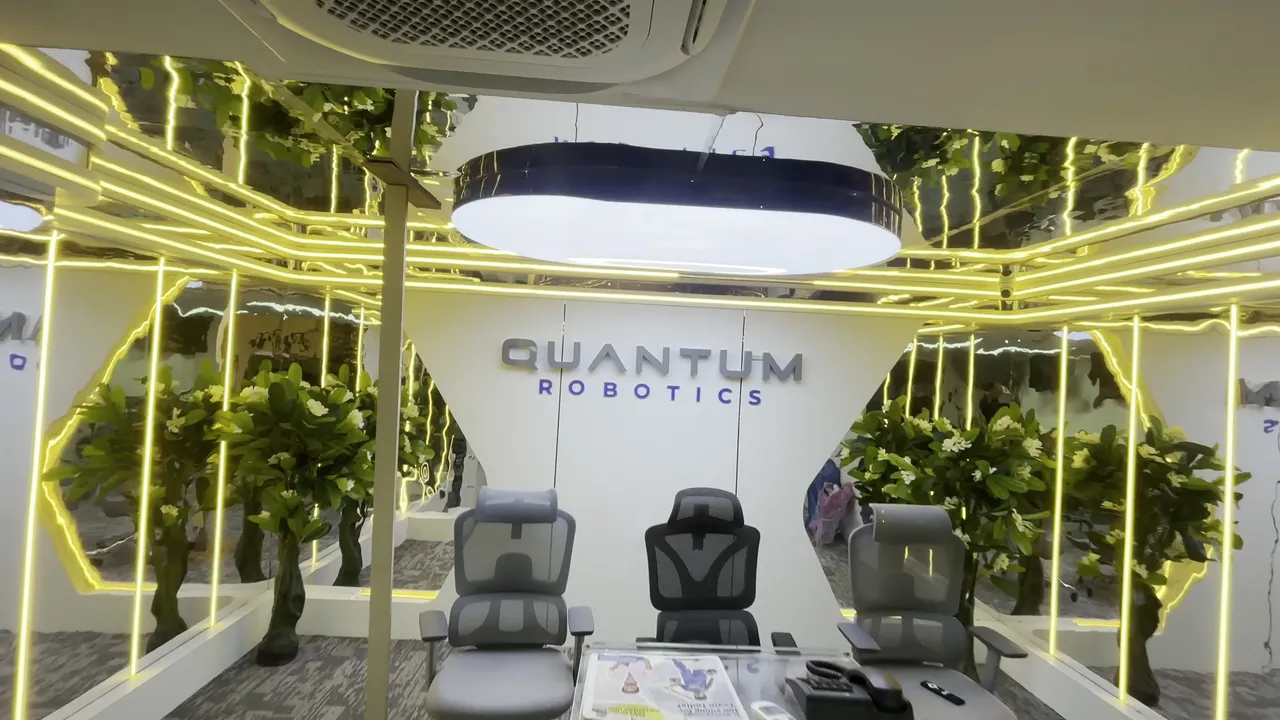
The campus, Jubilee Hills.
Classrooms, a robotics lab and rooms named after the pioneers. Inaugural batches sit here in person.

Ready to join the next batch?
Train the way Hyderabad hires: project-first, certification-aligned and reviewed by people who do this for a living.
Book a free demo